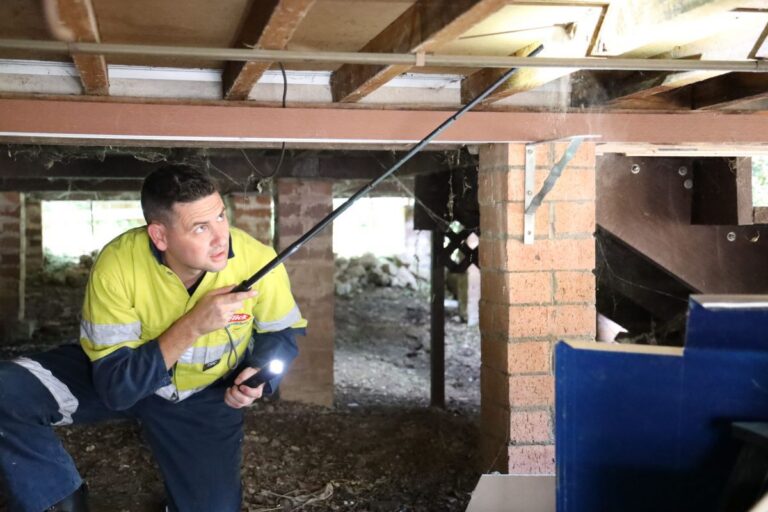
This guide breaks down what rodent exterminator Sydney teams typically do well, and what households can do before, during, and after a visit to get better, longer-lasting results.
What does a rodent exterminator Sydney usually check first?
They start by confirming the pest species and activity level, then map entry points and harbourage areas. This avoids guessing and stops wasted treatments.
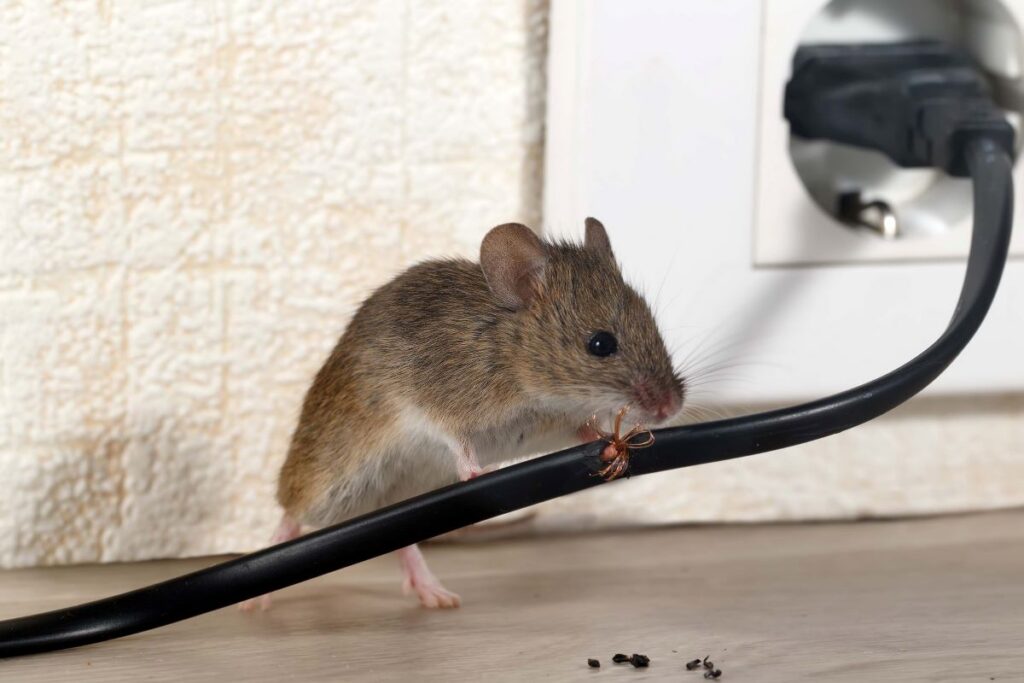
A rodent exterminator Sydney will commonly look for droppings, rub marks, gnawing, burrows, and grease trails along walls. They will also note where pets are fed, where rubbish is stored, and whether roof voids, garages, or subfloors offer cover.
Why do the best rodent exterminator Sydney teams focus on “proofing” over poison?
They prioritise sealing access because it prevents reinfestation. Chemical-only approaches can reduce numbers but often fail to stop the next wave.
A good rodent exterminator Sydney will identify gaps around pipes, broken vents, weep holes, loose flashing, and poorly sealed doors. Homeowners can mirror this by fitting door sweeps, repairing screens, sealing cracks with rodent-resistant materials, and keeping vegetation off external walls.
How do rodent exterminator Sydney professionals find where rodents are coming from?
They work backwards from signs and follow travel routes. Rodents usually stick to edges, dark runs, and hidden corridors.
A rodent exterminator Sydney may use tracking dust, non-toxic monitoring blocks, or camera checks in roof voids and tight subfloor spaces. Homeowners can assist by noting noises, smell hotspots, and where droppings reappear, then sharing those observations during the inspection.
What can homeowners learn from rodent exterminator Sydney baiting and trapping strategy?
They place control measures where rodents actually travel, not where people find them unpleasant. Correct placement matters more than “more product”.
A rodent exterminator Sydney often uses a mix of locked bait stations, snap traps, and monitoring points depending on children, pets, and site layout. Homeowners should avoid moving stations, leaving baits exposed, or setting traps randomly in open rooms where rodents feel unsafe.
How does a rodent exterminator Sydney reduce risk to kids, pets, and wildlife?
They select methods based on environment and likelihood of non-target contact. Safety is part of best practice, not an afterthought.
A careful rodent exterminator Sydney will favour tamper-resistant stations, strategic trap placement, and clear labelling and documentation. Homeowners can support this by keeping pets away from service areas, securing pet food, and reporting any wildlife activity that might be affected by outdoor control.
Why does a rodent exterminator Sydney talk so much about food and clutter?
Because sanitation is rodent control. If food sources remain, rodents will keep investigating, even after a successful knockdown.
A rodent exterminator Sydney will often recommend sealed pantry storage, regular bin cleaning, and removing fallen fruit, bird seed, and unsecured compost. Indoors, reducing cardboard piles, keeping storage off the floor, and decluttering garages makes it harder for rodents to nest unnoticed.
What should homeowners ask a rodent exterminator Sydney before agreeing to treatment?
They should ask for the plan, the rationale, and what “success” looks like. Good operators explain steps and expected timelines without overpromising.
Key questions include: what species is suspected, where entry points are, what proofing is required, what products or trap types will be used, and how follow-ups are handled. A reliable rodent exterminator Sydney should also explain how dead rodent odours are managed and what to do if activity continues.
How do rodent exterminator Sydney services handle follow-ups and long-term prevention?
They treat rodent control as a process, not a one-off. Follow-ups confirm whether the system is working and adjust if needed.
A strong rodent exterminator Sydney approach includes rechecking stations, refreshing monitoring points, confirming proofing integrity, and verifying that new droppings are not appearing. Homeowners should keep a simple log for two weeks: sightings, noises, droppings, and any changes in food storage or building gaps. Click here to learn more about storing food safely.
What is the simplest “best practice” checklist to copy at home?
They can copy the same order professionals use: inspect, exclude, reduce food, then monitor. That sequence prevents the common mistake of treating symptoms while ignoring access.
A final quick checklist inspired by rodent exterminator Sydney best practice:
- Seal obvious gaps and fit door sweeps.
- Store food and pet feed in hard, sealed containers.
- Clean up spills, crumbs, and outdoor attractants.
- Reduce clutter in garages, sheds, and roof storage.
- Monitor for fresh droppings and new gnawing.
- Book a reassessment if signs return.
When homeowners think like a rodent exterminator Sydney team, they shift from reactive clean-ups to prevention. That is how most long-lasting results are achieved.
More to Read : Termite Specialist: How Expert Help Can Improve a Home’s Buyer Appeal Before Sale